

Managing a fleet can often feel like you’re always one step behind—reacting to unexpected breakdowns, high fuel bills, or a call about a late arrival. What if you could get ahead of these problems? An advanced GPS tracking system allows you to shift from a reactive to a proactive management style. By providing real-time data on vehicle diagnostics and driver habits, it gives you the foresight to address small issues before they become major disruptions. The benefits of GPS fleet tracking software are clear: you can schedule maintenance intelligently and keep your operations running smoothly.
If you intend to minimize operational costs and improve your fleet business’s productivity, an advanced GPS system could be a perfect start. While the goal is similar, there is a massive difference between a simple GPS for basic tracking and an advanced GPS tracking system with extensive features. You will find so many advantages linked to implementing an advanced system for your business. Below are some of those benefits.
What makes a GPS tracking system advanced?
When you hear "GPS," you might think of the navigation app on your phone that helps you find the nearest coffee shop. While that's useful, it's just the tip of the iceberg. An advanced GPS tracking system designed for commercial fleets is in a completely different league. It’s not just about showing a dot on a map; it’s about providing a comprehensive, real-time view of your entire operation. These systems combine sophisticated hardware with powerful software to give you the data you need to make smarter decisions, improve safety, and streamline your daily workflow. Let's look at what truly sets these systems apart.
The power of modern network technology
The backbone of any advanced GPS system is its network connection. Outdated systems that rely on older 2G or 3G networks can be slow and unreliable, leading to frustrating data gaps. Modern systems, however, utilize 4G-LTE technology. This is the same fast, dependable network your smartphone uses, and it makes a world of difference for fleet tracking. With 4G-LTE, data is transmitted from your vehicles to your dashboard almost instantly. This means you get true real-time location updates, immediate alerts for events like speeding or harsh braking, and the bandwidth to support additional features like video telematics. This reliable connection ensures you always have a clear and current picture of your fleet's activities, no matter where your vehicles are.
Processing millions of data points daily
An advanced GPS tracker does far more than report its location. It’s a data-gathering powerhouse, collecting hundreds of data points from each vehicle every single day. We're talking about everything from speed and mileage to engine idling time, fuel levels, and diagnostic trouble codes. When you multiply that by an entire fleet, you’re looking at millions of data points daily. The magic of an advanced system is its ability to process this massive amount of information and turn it into simple, actionable insights. Instead of drowning in raw numbers, you get clear reports that help you spot trends, coach drivers for better safety, and proactively manage vehicle health. This transforms data from just noise into a valuable tool for improving your bottom line.
💡 See Azuga in Action Azuga's fleet management platform helps fleets reduce costs, improve driver safety, and stay compliant — all in one place. Plans start at $25/vehicle/month. Request a Free Demo → | View Pricing →
10 Ways Advanced GPS Tracking Improves Fleet Performance
#1. Save on operating costs – The first primary goal of implementing GPS tracking software for your fleet company is to save on your business costs. It allows you to define the shortest truck routes and helps you reduce fuel consumption. Unnecessary overtime for drivers could lead to extra costs, and with a proper system in place, fleets can avoid this additional labor cost.
Advanced GPS also reduces tedious paperwork as the system can automatically track and save details in a more user-friendly manner than old-school methods. The data is kept safe yet available to access at a moment’s notice.
#2. Save time and reduce downtime – Time management is crucial, especially in the transportation sector. When you often get trucks stuck in traffic for several minutes or even hours, it translates to wasted time. A real-time tracking system allows managers to guide drivers to avoid busy routes in real-time.
Reducing downtime helps improve productivity and profitability within a transportation company. A GPS tracking system with telematics allows you to make informed decisions when scheduling trips, reducing your vehicles’ downtime in the end.
#3. Optimize resources and maximize asset utilization – With an advanced GPS fleet system in place, you will be in a position to get detailed and timely information on driver behavior, fuel usage, and engine idling, among other details. The data obtained from your fleet management system allows you to utilize your resources effectively and identify any problems quickly.
Simultaneously, an advanced GPS system enables you to get the most out of your fleet. You can use data and analysis from the tracking software to determine which assets are not used to their fullest potential, allowing you to rearrange work duties to best use your entire fleet.
#4. Effectively manage field staff and drivers – GPS fleet management systems help fleet businesses manage their field workers and drivers, regardless of their numbers. Management can use tracking system data to analyze driver behaviors and take proper action where necessary.
By taking suitable measures at the proper time, fleet managers save time, resources, and even the company reputation where misdeeds by staff members are involved.
#5. Minimize maintenance costs – Advanced GPS tracking systems have superior telematics features, including vehicle diagnostics, engine temperature, and fuel level indicators. The ability to monitor such vital aspects and your fleet’s overall condition allows you to repair minor problems before they become major mechanical failures. Fleet management software will enable you to stay ahead and determine when an inspection or maintenance is required.
#6. Proper route planning and increased productivity – A quick-track GPS system allows you to identify the best routes that save both time and money. It minimizes unproductive work and cuts down on unnecessary fuel expenditure.
By allowing you to plan better, you can assign productive tasks whenever an idle vehicle is available. That means you will be able to make more trips in a day, which converts to more business and more profits.
#7. Locate all your assets – Advanced GPS fleet management software facilitates the quick recovery of lost or stolen assets. Your entire inventory is within your reach at all times. For example, in the event of vehicle theft, an advanced GPS system with geofencing can alert you the moment your asset leaves its designated area. You can then provide this information to the police, allowing them to recover the vehicle as efficiently as possible.
#8. More sales and distribution – Besides helping employers track outdoor sales and distribution personnel, GPS tracking software also allows employees to improve their operations. Sales and analytics and real-time reporting help enhance the performance of your sales and distribution teams. Further, it facilitates improved territory planning and time management to help your field staff introspect and perform better.
#9. Reduced insurance costs – One of the many things that insurance companies consider when setting premiums is GPS tracking system installation. Many companies offer special discounts for vehicles fitted with advanced GPS tracking systems because they present less liability than untracked assets.
#10. Law enforcement – Access to advanced GPS tracking software allows law enforcers to track down offenders easily without the need for a physical search. Physical search can be tedious and less effective, whereas digital tracking is fast and effective.
Get location updates in near real-time
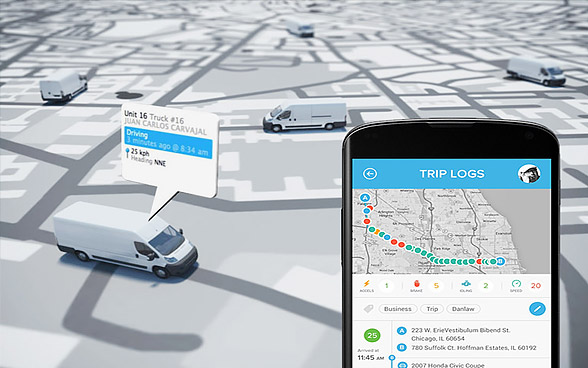
Knowing where your vehicles are is the foundation of effective fleet management. An advanced GPS system goes beyond a simple dot on a map by providing near real-time location updates, often as frequently as every few seconds. This constant stream of information allows you to see precisely where your vehicles are, where they’re headed, and how fast they’re traveling. For a fleet manager, this means you can make smarter decisions on the fly, like rerouting a driver to avoid a sudden traffic jam or dispatching the closest technician to an urgent job. This level of fleet tracking visibility improves operational agility and helps you provide more accurate arrival times to your customers, building trust and satisfaction.
Enhance driver safety with specific alerts
A commitment to safety is crucial for any successful fleet. Advanced GPS systems act as a co-pilot, helping you monitor and encourage safe driving habits across your team. These systems can be configured to send instant alerts for specific behaviors and events, including harsh braking, speeding, rapid acceleration, and even potential collisions. You can also receive notifications for ignition activity and unauthorized vehicle movement, like towing. By leveraging these alerts, you can move from a reactive to a proactive fleet safety strategy, addressing risky behaviors through targeted coaching and recognizing your safest drivers for their professionalism on the road.
HARSH DRIVING EVENTS
Sudden stops, sharp turns, and aggressive acceleration are more than just signs of a driver in a hurry; they’re harsh driving events that increase wear on vehicles and burn excess fuel. An advanced GPS tracker uses built-in accelerometers to detect these moments and logs them for your review. This data isn't just for correction; it's a powerful tool for coaching and even rewarding safe driving habits. Understanding the context behind these events helps you have productive conversations with your drivers, leading to a safer, more efficient, and more professional fleet.
IDLE ALERTS
An engine left running while a vehicle is parked may seem harmless, but excessive idling can lead to significant fuel waste and unnecessary engine wear over time. Idle alerts notify you when a vehicle has been stationary but running for a predetermined period. This simple notification helps you identify patterns of inefficiency across your fleet. You can then work with your drivers to build better habits, such as turning off the engine during long stops, which contributes to better fuel economy and a reduced environmental footprint.
IGNITION ACTIVITY
Tracking ignition activity gives you a clear record of when each vehicle is turned on and off. This feature is essential for verifying work hours and ensuring vehicles are only used for authorized business. By monitoring ignition events, you can confirm that drivers are starting their day on time and prevent unauthorized after-hours or weekend use of company assets. This layer of oversight helps maintain accountability and ensures your vehicles are always where they are supposed to be, ready for the next job.
POTENTIAL COLLISIONS AND TOWING
Advanced GPS systems provide critical alerts that enhance both safety and security. The system can sense a significant impact and trigger a potential collision alert, allowing you to check on your driver’s well-being and initiate emergency protocols immediately. Additionally, a tow alert notifies you if a vehicle is moved without its ignition being on. This is an invaluable security feature that can help you thwart theft attempts in real time, giving you a chance to alert authorities before your asset is gone.
Gain visual context with dashcam integration
While GPS data tells you what happened, integrating a dashcam tells you why. Pairing location and telematics data with video footage provides undeniable visual context for every event on the road. For instance, a harsh braking alert could be due to distracted driving or avoiding a pedestrian who stepped into the street. A dual-facing AI dashcam clarifies the situation instantly, helping you exonerate drivers from false claims and providing clear, teachable moments for driver coaching. This visual evidence is invaluable for incident reconstruction, improving driver skills, and protecting your business.
Protect your vehicles with remote security features
Your vehicles and the equipment they carry are some of your most valuable business assets. Advanced GPS tracking offers powerful remote security features that give you an added layer of protection against theft and unauthorized use. Beyond just tracking a vehicle’s location, these systems can provide you with the ability to take direct action when an asset is compromised. This capability transforms your asset management strategy from passive monitoring to active protection, giving you greater control and peace of mind.
REMOTE IGNITION DISABLING
In a worst-case scenario where a vehicle is stolen, remote ignition disabling is a game-changer. This feature allows you to send a command to the GPS unit to prevent the vehicle’s engine from starting the next time it’s turned off. Once the thief parks the vehicle, it can be immobilized, making it significantly easier for law enforcement to recover. This powerful tool is a strong deterrent against theft and provides you with a decisive way to protect your assets and minimize potential losses from unauthorized use.
How to Select the Right Advanced GPS Tracking System
If you are in the market for a GPS tracking solution for your fleet operations, it is essential to be specific about the most critical capabilities needed for your fleet. With so many solutions on offer, ensure that you go with an advanced GPS system that guarantees the following:
- Easy to configure with an intuitive interface
- Precise landmarking for more meaningful alerts, mapping, and reporting
- Fuel card integration
- Configurable alerts
- Scheduled maintenance alerts
- Unlimited back-dated data retrieval
Find the right hardware for your assets
Choosing the right hardware is the first step in building an effective tracking system. The best device for your business depends on what you’re tracking—whether it’s a light-duty truck, a heavy-duty tractor, or an unpowered trailer. Different hardware options provide varying levels of power reliability, installation complexity, and flexibility. Some are permanently installed for maximum security, while others offer the convenience of being moved between assets as needed. Understanding these differences will help you select a solution that fits your operational workflow and provides the data you need to manage your fleet efficiently.
HARDWIRED GPS UNITS
Hardwired GPS units are installed directly into a vehicle’s electrical system. This direct connection provides a constant and reliable power source, so you never have to worry about dead batteries or lost signals due to power failure. Because they are wired into the vehicle, these devices are more tamper-resistant, making them an excellent choice for permanent fleet tracking. This setup is ideal for company-owned vehicles where a long-term, secure tracking solution is the top priority. The continuous power ensures you receive uninterrupted data on vehicle location, status, and health, giving you a complete picture of your fleet’s activity at all times.
PLUG & PLAY OBD-II TRACKERS
For fleets that need more flexibility, Plug & Play OBD-II trackers are a fantastic option. These devices are incredibly easy to install—you simply plug them into the vehicle’s On-Board Diagnostics (OBD-II) port, which is standard on most vehicles manufactured after 1996. No tools or professional assistance are required, and the device can be moved from one vehicle to another in seconds. This makes them perfect for businesses with leased vehicles or those that frequently rotate their fleet. You still get rich diagnostic data, but with the added benefit of simple, non-permanent installation that you can manage yourself through a fleet mobile app.
WIRELESS, SELF-POWERED DEVICES
When you need to track assets that don’t have their own power source, wireless, self-powered devices are the answer. These battery-powered trackers offer ultimate flexibility, allowing you to monitor everything from trailers and containers to heavy machinery and other valuable equipment. Since they don’t require any wiring, you can place them on virtually any asset you need to keep an eye on. This is essential for comprehensive asset management, ensuring you have visibility over every piece of your operation, whether it’s on the road or sitting at a job site. Just be sure to consider the battery life to match your reporting needs.
Evaluate network and operational coverage
A GPS tracker is only as good as the network it runs on. When selecting a system, it’s crucial to evaluate the provider’s network coverage and reliability. Look for solutions that operate on robust, modern networks like 4G LTE to ensure you receive fast and consistent location updates, even in remote areas. This is especially important for fleets that travel across wide geographic regions. A strong network connection is the foundation for real-time tracking, enabling you to make timely decisions for route optimization and driver communication. Without it, you risk data gaps that can leave you blind to your fleet’s operations.
Beyond just the network, consider the system’s overall operational capacity. An advanced GPS platform should be built to be flexible and scalable, capable of processing millions of data points without slowing down. As your business grows, your tracking system should grow with you. The technology should also be forward-thinking, with the ability to integrate new features and adapt as industry standards evolve. This ensures your investment remains valuable for years to come, providing a stable and evolving platform to support your fleet’s performance and safety initiatives.
Understand the legal and security responsibilities
Implementing a GPS tracking system brings significant benefits, but it also comes with important legal and security responsibilities. As a fleet manager, you’re not just tracking vehicles; you’re collecting data related to your employees and valuable company assets. It’s essential to approach this with a clear understanding of your obligations. This means respecting privacy laws and ensuring the vast amounts of data you collect are kept secure from unauthorized access. Building a framework of trust and transparency with your team from the start is key to a successful and ethical tracking program.
ENSURE TRACKING CONSENT
Transparency with your drivers is non-negotiable. In many places, it is illegal to install a tracking device on a vehicle without the operator's consent. Before you roll out any tracking hardware, establish a clear, written policy that explains what is being tracked, how the data is used, and why it’s important for operations and driver safety. Have every employee read and acknowledge this policy. This simple step not only ensures legal compliance but also fosters a culture of trust. When drivers understand that the system is in place to improve efficiency and safety, not to micromanage, they are more likely to be on board.
PRIORITIZE DATA SECURITY
The data your fleet generates is a valuable asset, and protecting it is a top priority. This information includes location histories, driver behavior metrics, and vehicle diagnostics, all of which could be sensitive. A reputable GPS provider will have robust security measures in place to safeguard your data against breaches. When choosing a system, ask about data encryption, server security, and access controls. Ensuring your provider takes security seriously gives you peace of mind that your company’s and your employees’ information is protected, which is a critical component of modern compliance management.
Azuga: The Advanced GPS Tracking System for Your Fleet
Now that you have a complete understanding of how an advanced GPS system may help your fleet, it should be obvious what to do next. Azuga offers a robust GPS fleet telematics system that improves the operations of fleet businesses and enhances safety. Upgrade to Azuga today and experience a simple to use, easily customizable, affordable, and easy to install software for your business.
A partner with deep industry experience
Choosing a GPS provider is about more than just technology; it's about finding a partner who understands the complexities of your industry. An experienced provider offers more than a simple dot on a map. With an advanced GPS tracking system, you gain access to detailed information on everything from driver behavior and fuel usage to engine idling and vehicle diagnostics. This level of insight allows you to make informed decisions that improve efficiency and resource management. A partner with deep experience can help you interpret this data, turning millions of daily data points into actionable strategies that truly benefit your fleet's performance and bottom line.
Comprehensive support for your team
The right GPS system acts as a support tool for your entire operation, from drivers to dispatchers to mechanics. It helps you stay ahead of vehicle issues by monitoring vital engine metrics, allowing your team to handle minor repairs before they become major, downtime-inducing failures. This focus on proactive maintenance keeps your vehicles on the road and running smoothly. Furthermore, comprehensive support extends to asset security. In the unfortunate event of theft, the system provides law enforcement with the critical location data needed for a swift recovery, protecting your valuable assets and giving your team peace of mind.
Ready to take your fleet further? Join 400,000+ drivers using Azuga to track smarter, drive safer, and run more efficiently. Schedule Your Free Demo → | Calculate Your Savings →
Frequently Asked Questions
Isn't an advanced GPS system just a more complicated version of the map app on my phone? Not at all. While both use GPS technology for location, a phone app is designed for simple navigation. An advanced fleet system is a complete management tool. It gathers hundreds of data points from your vehicle, like engine health, fuel levels, and driving habits, and turns that information into clear, actionable reports. It’s less about finding a route and more about understanding the health and efficiency of your entire operation.
How do I introduce GPS tracking to my drivers without making them feel like I'm micromanaging them? This is a great question, and the key is transparency. It's best to have an open conversation and a clear written policy explaining why the system is being implemented. Frame it as a tool to improve safety, streamline maintenance, and even protect them from false claims with dashcam footage. When drivers understand the system is there to support them and make operations run smoother, not to watch their every move, they are much more likely to be on board.
Beyond just location, what kind of data can I actually get from an advanced GPS system? You get a comprehensive view of your fleet's performance. The system can pull vehicle diagnostic codes, letting you know about potential engine issues before they cause a breakdown. It also tracks driver behaviors like harsh braking, speeding, and idling, which helps you coach for safety and reduce fuel consumption. This data gives you the full story, so you can manage maintenance, safety, and efficiency proactively.
My fleet includes trucks, trailers, and heavy equipment. Can one system handle all of that? Yes, a flexible system is designed to handle a mixed fleet. You can use different types of hardware for different assets. For example, a hardwired unit is great for a company-owned truck, while a simple plug-and-play device works well for leased vehicles. For assets without their own power source, like trailers or construction equipment, you can use battery-powered trackers. This allows you to have a single platform to monitor all your valuable assets.
What happens if a vehicle is in an area with poor cell service? Modern GPS systems are built for this reality. They operate on reliable 4G-LTE networks, which offer extensive coverage. However, if a vehicle travels through an area with no signal, the tracking device will continue to collect and store data. As soon as the vehicle re-enters an area with network coverage, it automatically uploads all the stored information. This way, you don't lose any important data and have a complete record of the vehicle's activity.
Key Takeaways
- Go from reactive to proactive management: An advanced GPS system uses modern 4G-LTE networks to transform millions of data points into simple, actionable insights on vehicle health, driver habits, and fuel use.
- Enhance safety and efficiency with data-driven coaching: Use specific alerts for harsh braking and idling to guide drivers, plan smarter routes to save fuel, and schedule proactive maintenance to maximize vehicle uptime.
- Select the right hardware for your specific needs: Choose the correct system by matching the hardware (hardwired, plug-and-play, or wireless) to your assets and confirming your provider offers a reliable network and strong data security.